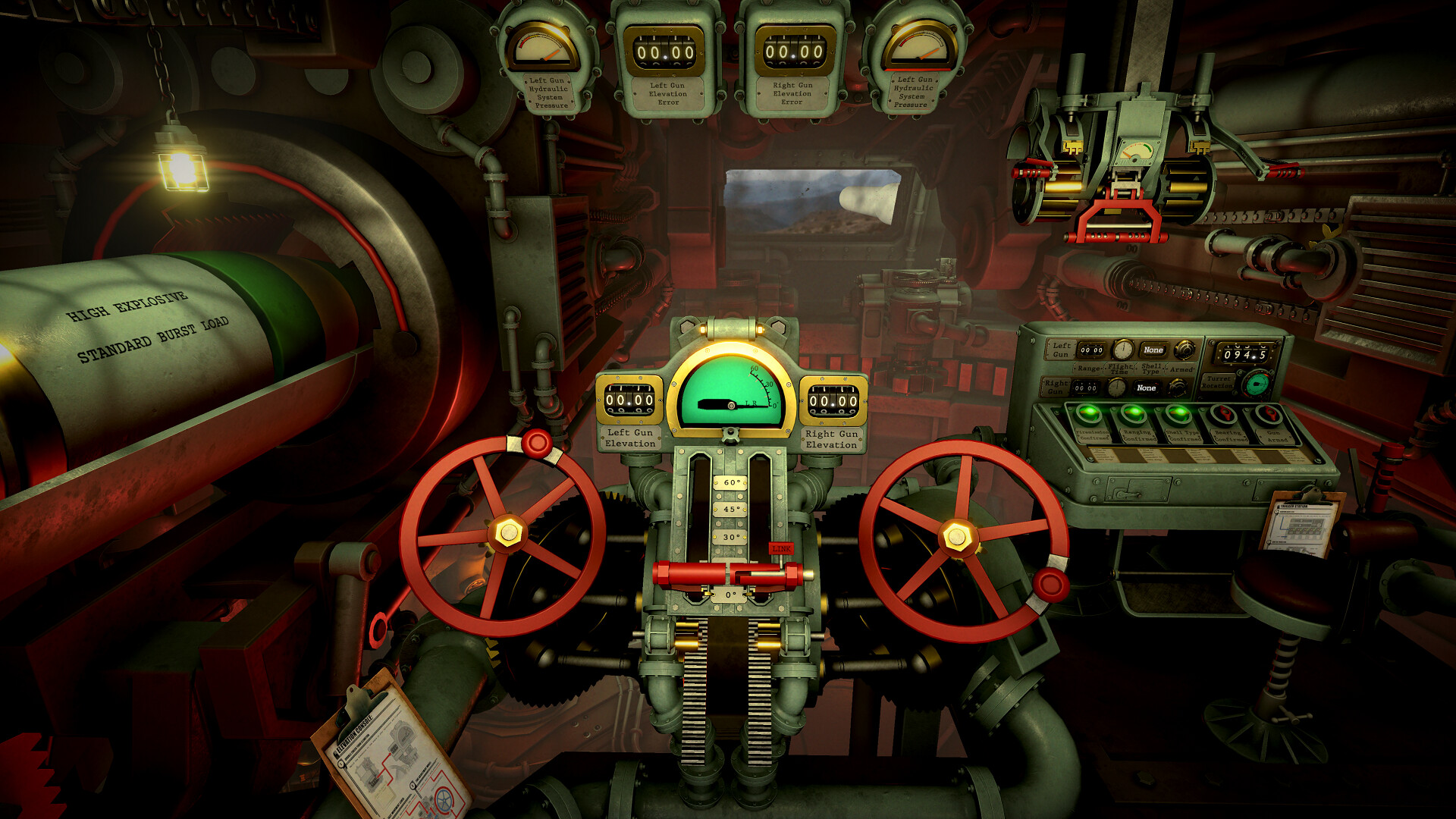
In Iron Nest, you command a massive turret during the height of battle. Each time you receive coordinates by radio and adjust the dials to aim your cannons, you feel the pieces of the puzzle aligning before you.
The game transports you to a diesel-punk world where every shot counts in the balance of war. Iron Nest is not just a simulator; it's a tactical experience that demands concentration and precision.
Solid Mechanics
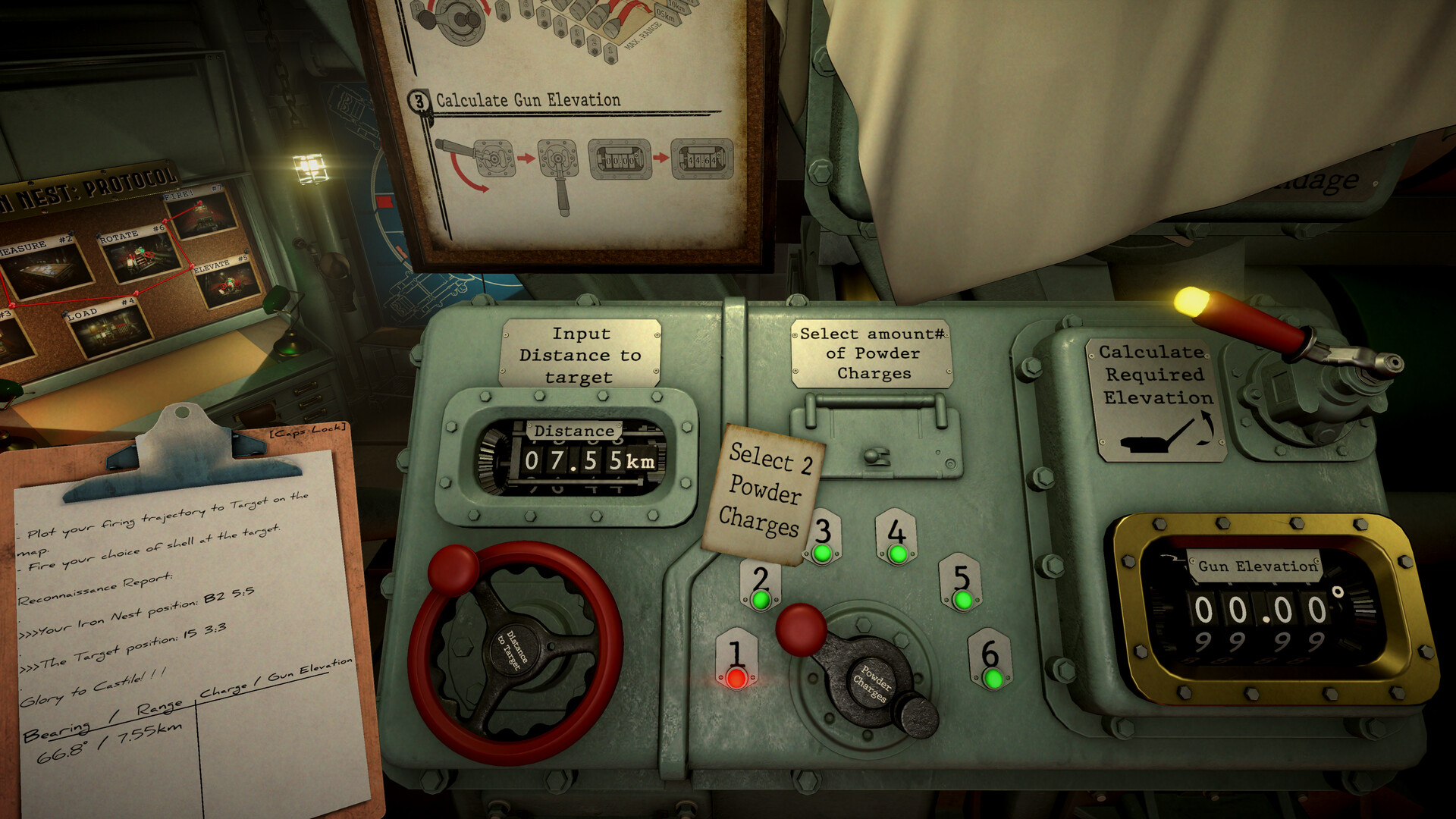
The aiming system combines analog dials with digital coordinates to ensure precise gameplay. Fine-tuning hydraulic parameters is crucial, as a miscalculation can destabilize the turret and cost you the target.
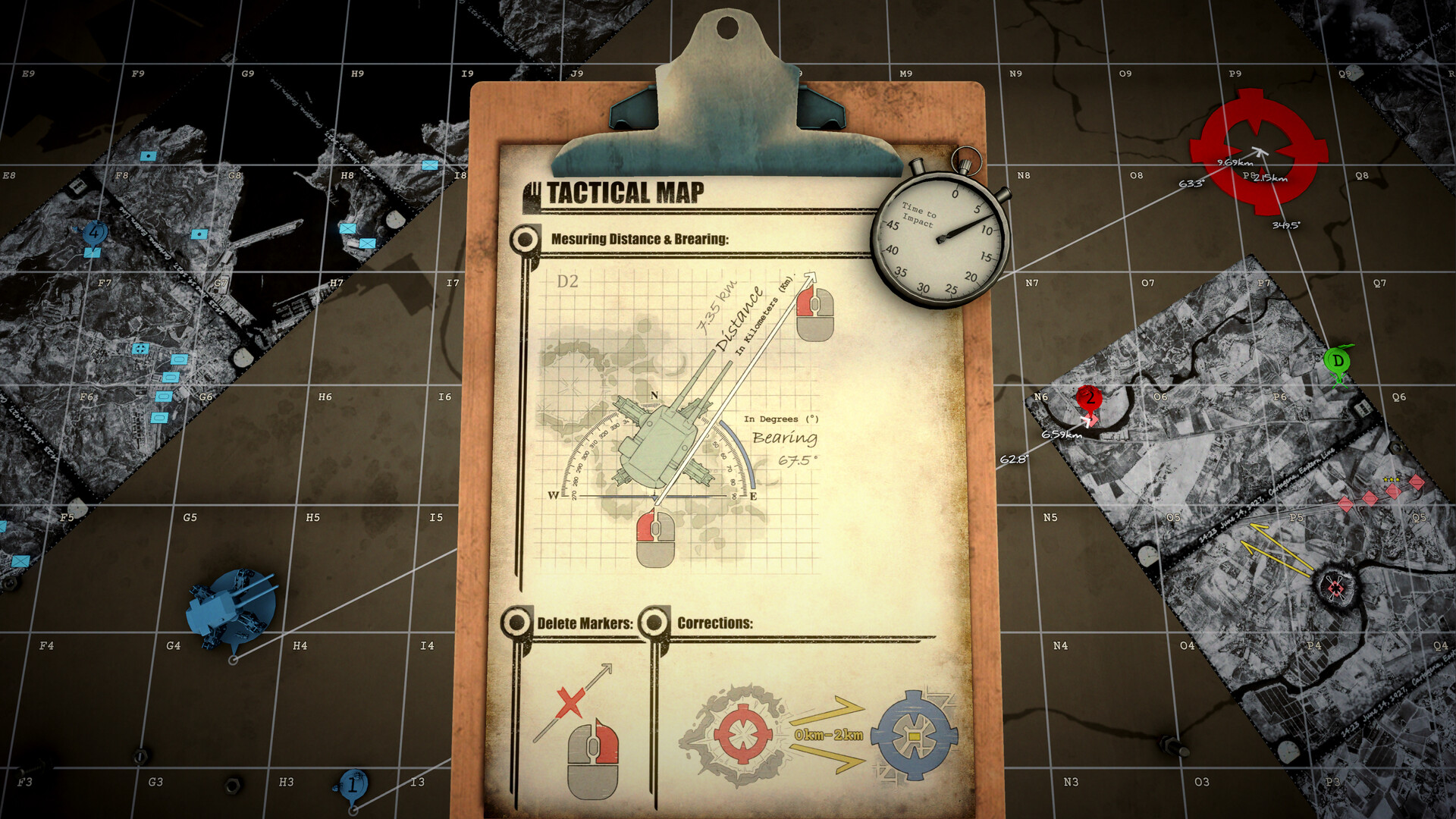
The interaction with metal pieces is made real through meticulous control: fine adjustments on the dials to calculate the precise angle and distance. It's a constant challenge that keeps your mind active and focused.
The control is exact, but never trivial. Each shot can change the course of the conflict.
Limits in Repetition
Despite its promising start, Iron Nest can lose steam over time. Later missions are more repetitive and lack the challenge offered by the first few hours.
Pros
- Meticulous aiming system
- Realistic tactile interaction
Cons
- Lack of mission variety after the initial phase
Verdict
Iron Nest stands out for its precision and control, but its limits become evident as you progress through the campaign. With solid gameplay initially, the game loses steam in later stages due to repetitive objectives.