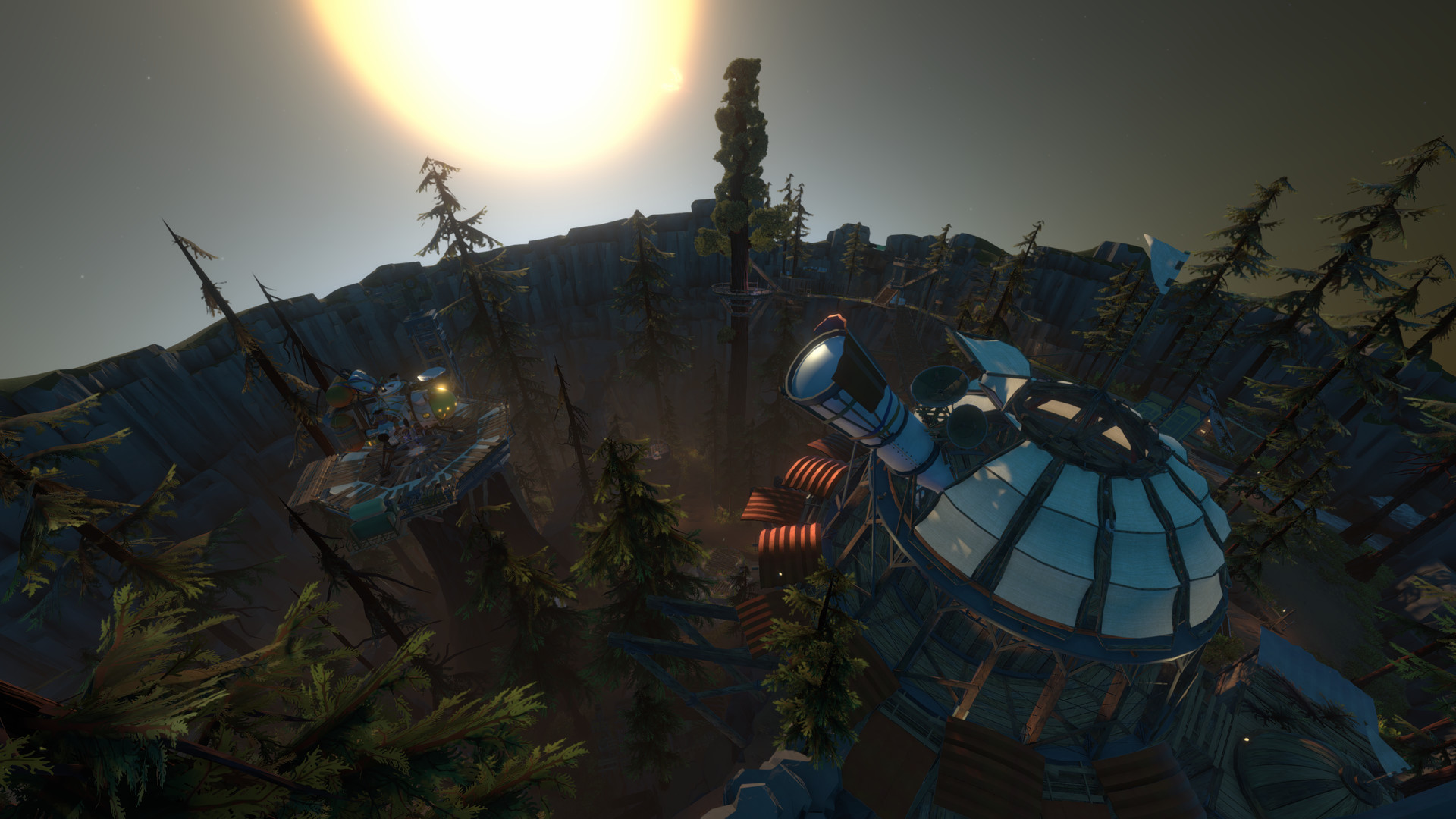
In Outer Wilds, the player embarks on a thrilling and visually stunning space journey that is both intellectually challenging and narratively rich. The game's mechanics are based on an infinite temporal loop: each death sends the user back to the starting point, forcing them to rethink strategies and explore from different angles.
This unique mechanism not only adds narrative depth but also creates a constant sense of immersion. Each planet is a world in itself, filled with hidden mysteries, secrets to discover, and challenges to solve through meticulous observation and logical reasoning.
An Open World Full of Surprises
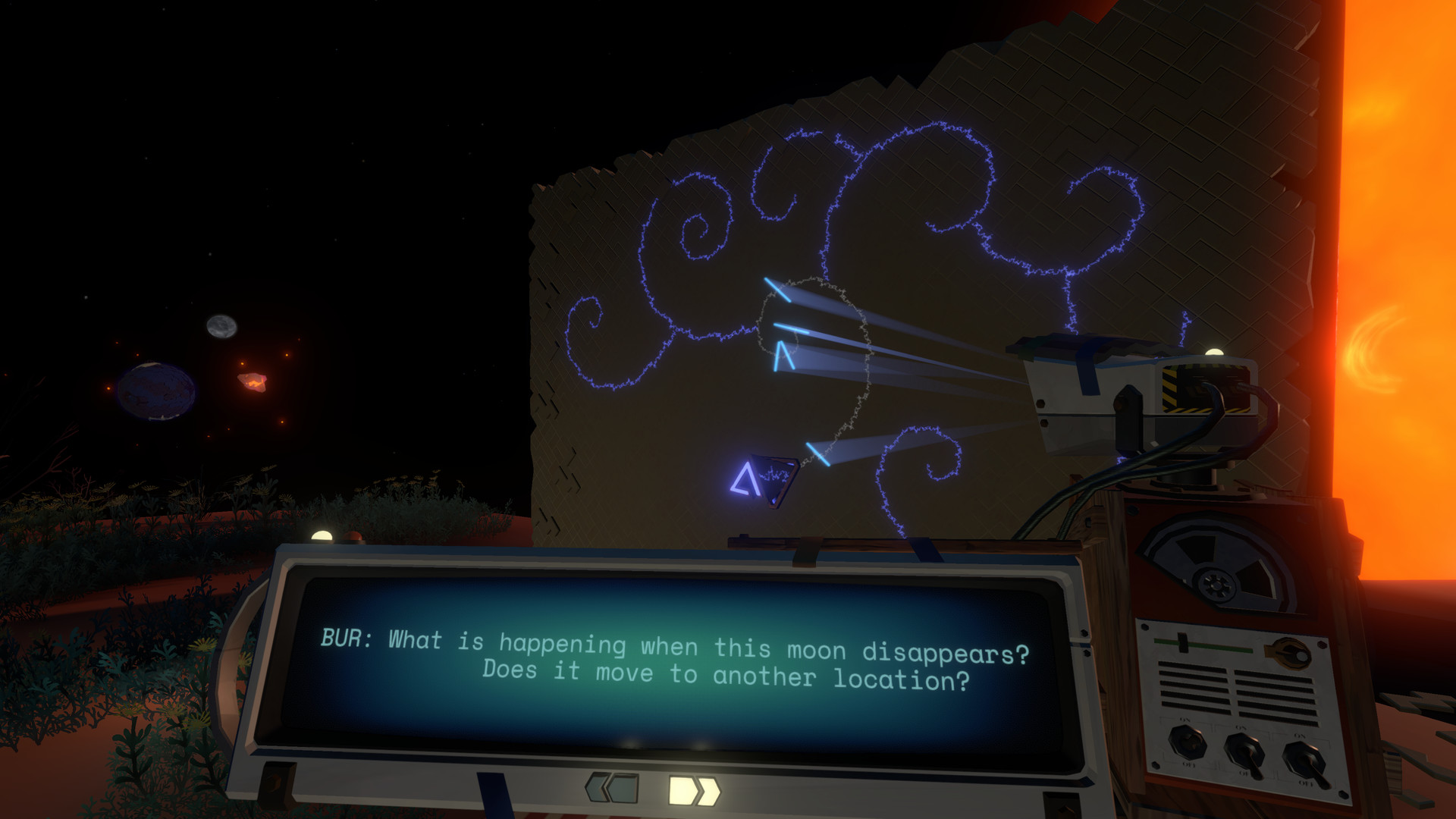
The design of Outer Wilds offers the player a free and immersive exploration. Each planet is a labyrinth of details that require time and patience to unravel, creating an environment that invites reflection and constant discovery. The plot twists are surprising and keep the player's curiosity alive, forcing them to meticulously explore every corner of the planets to not miss any crucial details. Interactions with secondary characters also add an additional layer of mystery that gradually reveals itself as the player advances in their investigation.
The game's narrative develops naturally as the player advances in their investigation. Each loop through the temporal cycle not only provides a new perspective on past events but also enriches the experience with additional details and new mysteries. This dynamic allows for a slow but rewarding gameplay pace, as the player can immerse themselves in interactions and observations without rushing.
The temporal loop is both a blessing and a curse, forcing you to constantly rethink and rediscover.
The Repetition Can Be Frustrating
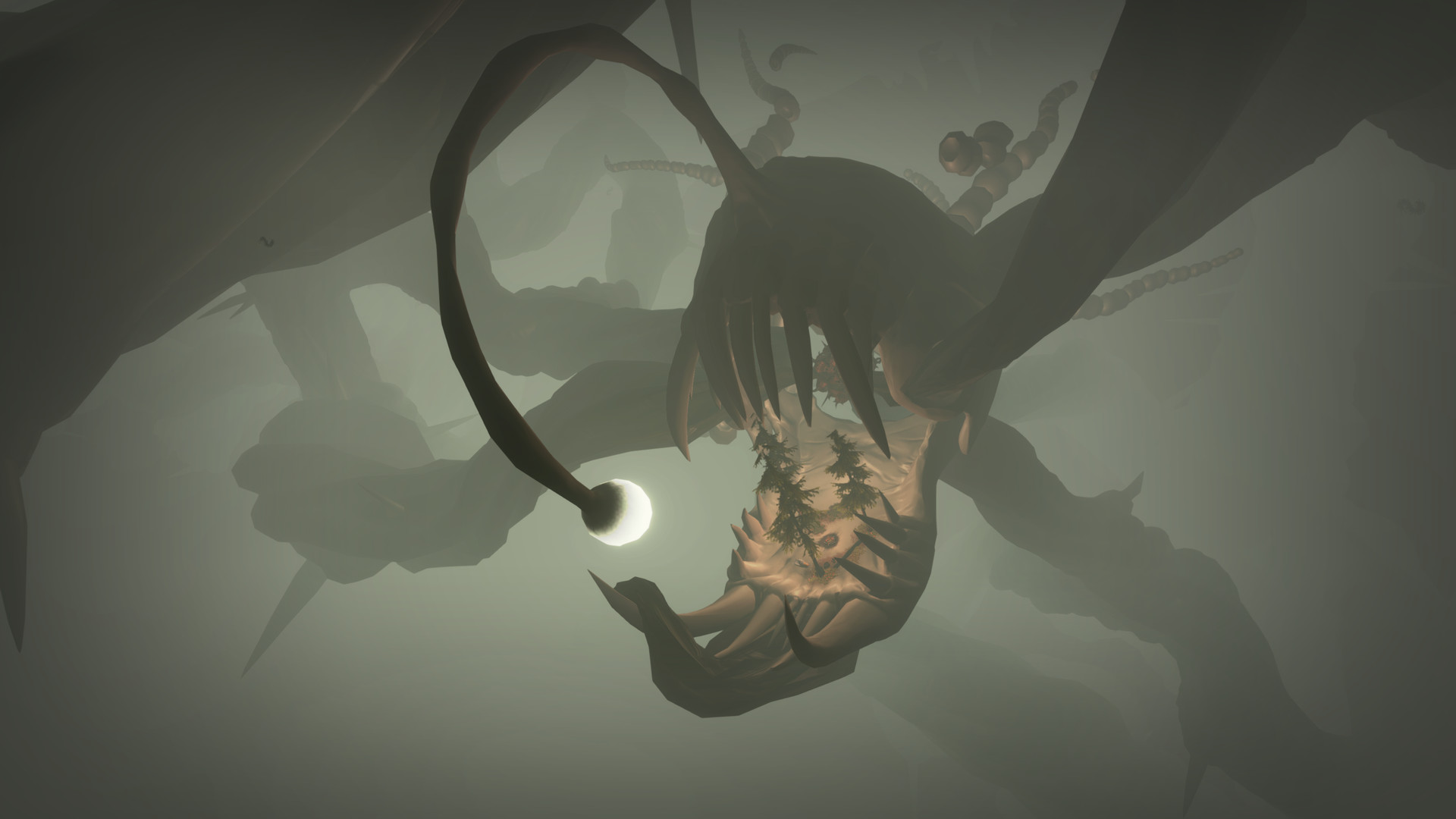
Despite its visual beauty and narrative intrigue, Outer Wilds struggles with the monotonous rhythm generated by having to repeatedly revisit the same areas and solve the same puzzles each time you fall into a loop. The lack of a significant save system can frustrate those seeking faster progress, as the player may feel trapped repeating actions they've already performed. Additionally, the lack of clear progression in some aspects of the game can make the repetitions seem tedious and meaningless.
Pros
- Rich and detailed exploration
- Clever and challenging puzzles
- Engaging narrative
Cons
- Frustrating repetition due to the temporal loop
- Artificial difficulty due to the lack of save system
- Small Spanish (Spain) translation
Verdict
Outer Wilds, despite its limitations in terms of repetition and content, is an engaging narrative experience that invites reflection on time and memory. Its ability to offer a unique and immersive space journey makes it a fascinating adventure that keeps the player hooked with its mysterious secrets and challenging enigmas.